

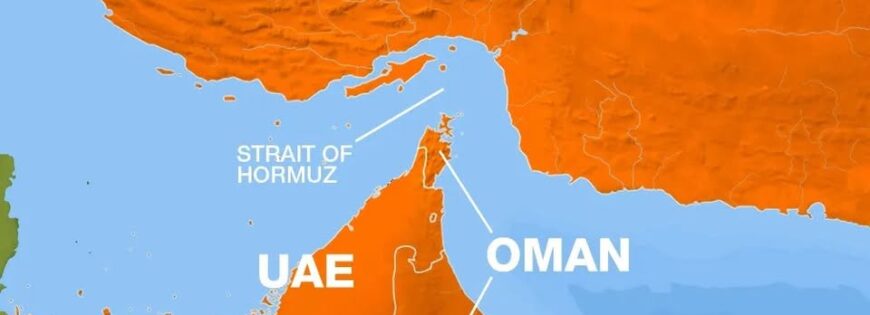
If you are in the business of buying or selling goods across borders, you know things are changing fast. Because of the ongoing conflict involving Iran, the old ways of moving goods are being replaced by new, more expensive paths.
Here is a simple guide to what is happening right now and what experts are saying.
1. Ships are Taking the “Long Way”
For a long time, ships from India went through the Red Sea and the Suez Canal to get to Europe. It was the fastest way. Now, because that area is too dangerous:
-
Going Around Africa: Most big ships are now sailing all the way around the bottom of Africa (the Cape of Good Hope).
-
Longer Wait Times: This adds 10 to 20 extra days to the journey.
-
Higher Costs: Because the trip is longer, ships use more fuel. This makes shipping much more expensive for everyone.
2. Famous Trade Routes are on Hold
Two major “shortcuts” that everyone was excited about are now facing problems:
-
The India-Middle East-Europe Road (IMEC): This plan to move goods by ship and train through the UAE and Israel is mostly stopped right now because the area isn’t safe for building or transport.
-
The Iran Route (INSTC): The path through Iran to Russia is still there, but it is very risky. Many companies are afraid to use it because of the war and new rules (sanctions) from other countries.
3. “Just-in-Time” is Now “Just-in-Case”
In the past, businesses ordered exactly what they needed, right when they needed it. This was called “Just-in-Time.” Now, that has changed to “Just-in-Case”:
-
Keeping Extra Stock: Since ships are often late, smart businesses are keeping more products in their warehouses just in case the next shipment is delayed.
-
Surprise Fees: Shipping companies are adding “War Risk” fees. This means the price you see today might go up by tomorrow.
-
Using Airplanes: For items that spoil quickly (like food) or urgent machine parts, more people are using expensive air cargo instead of ships.
4. What Should You Do?
Experts say that for the rest of 2026, the most important thing is to be flexible.
-
Don’t rely on one path: Try to have different ways to send your goods.
-
Check your contracts: Make sure your agreements say what happens if a ship has to change its route.
-
Plan for higher costs: Assume that shipping will cost at least 20% more than it used to.
Summary
While the world is a bit messy right now, trade hasn’t stopped—it has just slowed down and changed paths. At Moggies International, we are watching these routes every day to make sure our products get to our customers safely.
Want to discuss how these route changes affect your specific shipment? Contact our logistics team today at our Pune headquarters or via our international WhatsApp lines.