

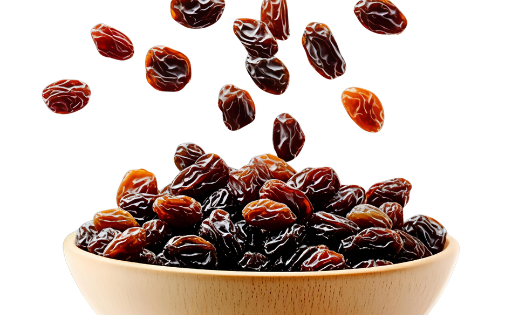
The Story of Raisins: How Tasgaon Farmers Became India’s Raisin Masters
When we enjoy a handful of raisins, very few of us think about the long journey behind these tiny sweet fruits. Raisins have been part of human history for thousands of years. Today, India is one of the leading raisin-producing countries, and the Tasgaon region of Sangli district in Maharashtra has earned a special place on the world map.
The Beginning of Raisins
Historians believe that grapes were first cultivated nearly 8,000 years ago in the region around present-day Armenia, Georgia, and parts of the Middle East. People soon discovered that grapes left under the sun naturally dried into sweet fruits. These dried grapes became known as raisins.
Raisins were easy to store, lasted for many months, and were rich in natural energy. Ancient Egyptians, Greeks, and Romans used raisins as food, medicine, gifts, and even prizes during sports competitions. Over time, grape cultivation spread across Europe and Asia. Later, grapes reached India through traders and travelers many centuries ago.
Why Tasgaon Became Special
Tasgaon, in Sangli district, is often called the “City of Grapes.” The region is blessed with fertile black soil, water from the Krishna and Warana rivers, hot summers, mild winters, and low humidity. These natural conditions make it one of the best places in India for growing seedless grapes and producing high-quality raisins.
The Farmers Who Changed the Industry
Around the early 1970s, scientists and agricultural experts worked with local farmers to improve raisin production. The first dehydration chambers were introduced to dry grapes. Although they produced good-quality raisins, they were expensive to operate.
Instead of giving up, the farmers learned from raisin-producing countries like Afghanistan and adapted the process to local conditions. They improved the drying method by using shade drying and solar energy. These simple innovations reduced costs while maintaining excellent quality.
Tasgaon farmers continuously improved every step—from selecting the best grape varieties such as Thompson Seedless, Sonaka, Manik Chaman, and Tas-A-Ganesh to harvesting at the correct maturity, dipping the grapes in special solutions for uniform drying, and carefully grading the finished raisins.
From Local Markets to the World
As production increased, Tasgaon developed one of India’s largest raisin auction markets. Today, the region has over 100 raisin trading centres and dozens of cold storage facilities. Every year, a significant share of Sangli’s raisin production is exported to countries across Asia, the Middle East, Europe, and other global markets.
In 2016, Sangli Raisins received the prestigious Geographical Indication (GI) tag. This recognition confirms that the unique taste, colour, texture, and quality of Sangli raisins come from the region’s special climate, soil, and farming expertise.
A Legacy of Hard Work
The success of Tasgaon was not built overnight. It is the result of decades of dedication, learning, innovation, and teamwork between farmers, scientists, traders, and exporters.
Today, when people around the world enjoy golden or green raisins from Sangli, they are also enjoying the hard work and passion of thousands of farming families who have made Tasgaon the raisin capital of India.
मराठी
बेदाण्याचा इतिहास : तासगावच्या शेतकऱ्यांनी भारताची बेदाणा राजधानी कशी घडवली
आज आपण जेव्हा गोड बेदाणे खातो, तेव्हा त्या छोट्याशा फळामागचा हजारो वर्षांचा इतिहास फार कमी लोकांना माहिती असतो. आज भारत हा जगातील प्रमुख बेदाणा उत्पादक देशांपैकी एक आहे आणि महाराष्ट्रातील सांगली जिल्ह्यातील तासगाव हे बेदाणा उत्पादनासाठी संपूर्ण देशात प्रसिद्ध आहे.
बेदाण्याची सुरुवात
इतिहासकारांच्या मते, सुमारे ८,००० वर्षांपूर्वी आर्मेनिया, जॉर्जिया आणि मध्यपूर्वेच्या भागात द्राक्षांची लागवड सुरू झाली. त्या काळातील लोकांनी लक्षात घेतले की उन्हात राहिलेली द्राक्षे नैसर्गिकरित्या सुकून अधिक गोड होतात. त्यातूनच बेदाण्याचा जन्म झाला.
बेदाणे जास्त काळ टिकत असल्यामुळे ते प्रवासात, युद्धात आणि अन्नसाठ्यासाठी वापरले जात. प्राचीन इजिप्त, ग्रीस आणि रोममध्ये बेदाणे अन्न, औषध आणि भेटवस्तू म्हणूनही वापरले जात होते. नंतर व्यापाऱ्यांमार्फत द्राक्षांची लागवड भारतात पोहोचली.
तासगावच का प्रसिद्ध झाले?
सांगली जिल्ह्यातील तासगावला “द्राक्षांचे शहर” म्हणून ओळखले जाते. येथील सुपीक काळी जमीन, कृष्णा आणि वारणा नद्यांचे पाणी, उष्ण व कोरडे हवामान आणि कमी आर्द्रता ही द्राक्षे व बेदाणे उत्पादनासाठी अतिशय अनुकूल आहेत. त्यामुळे येथील बेदाण्याला खास चव, रंग आणि दर्जा मिळतो.
शेतकऱ्यांची मेहनत आणि नवनवीन प्रयोग
१९७० च्या दशकात कृषी तज्ज्ञ आणि वैज्ञानिकांनी स्थानिक शेतकऱ्यांसोबत बेदाणा तयार करण्याच्या नवीन पद्धतींवर काम सुरू केले. सुरुवातीला डिहायड्रेशन चेंबरचा वापर करण्यात आला. त्यातून चांगल्या दर्जाचा बेदाणा तयार होत होता, पण खर्च जास्त होता.
त्यानंतर शेतकऱ्यांनी अफगाणिस्तानसारख्या देशांतील पद्धतींचा अभ्यास केला आणि आपल्या हवामानाला योग्य अशा सावलीतील व सौर ऊर्जेवर आधारित सुकवण्याच्या पद्धती विकसित केल्या. त्यामुळे उत्पादन खर्च कमी झाला आणि गुणवत्ता कायम राहिली.
याच काळात थॉम्पसन सीडलेस, सोनाका, माणिक चमन आणि तास-ए-गणेश यांसारख्या द्राक्षांच्या जातींची निवड, योग्य परिपक्वतेवर काढणी, विशेष द्रावणात प्रक्रिया आणि दर्जानुसार वर्गीकरण या सर्व गोष्टींमध्ये शेतकऱ्यांनी प्राविण्य मिळवले.
स्थानिक बाजारातून जागतिक बाजारपेठेत
उत्पादन वाढत गेल्याने तासगावमध्ये भारतातील मोठ्या बेदाणा बाजारांपैकी एक बाजार विकसित झाला. आज येथे शंभरहून अधिक बेदाणा व्यापारी केंद्रे आणि अनेक कोल्ड स्टोरेज आहेत. सांगलीत तयार होणाऱ्या बेदाण्याचा मोठा हिस्सा आशिया, मध्यपूर्व, युरोप आणि इतर देशांमध्ये निर्यात केला जातो.
२०१६ मध्ये “सांगली बेदाणा” ला GI (Geographical Indication) मानांकन मिळाले. यामुळे सांगलीच्या बेदाण्याची गुणवत्ता, चव आणि ओळख अधिकृतपणे जगभर मान्य झाली.
मेहनतीचा सुवर्ण इतिहास
तासगावची ही यशोगाथा एका दिवसात घडलेली नाही. अनेक दशकांची मेहनत, वैज्ञानिकांचा सहभाग, आधुनिक तंत्रज्ञान आणि शेतकऱ्यांची जिद्द यामुळे तासगाव आज भारताची बेदाणा राजधानी म्हणून ओळखले जाते.
आज जगभरात जेव्हा लोक सांगलीचे बेदाणे खातात, तेव्हा ते केवळ गोड फळ खात नाहीत, तर हजारो शेतकरी कुटुंबांच्या कष्टांचा आणि समर्पणाचा स्वाद अनुभवत असतात.